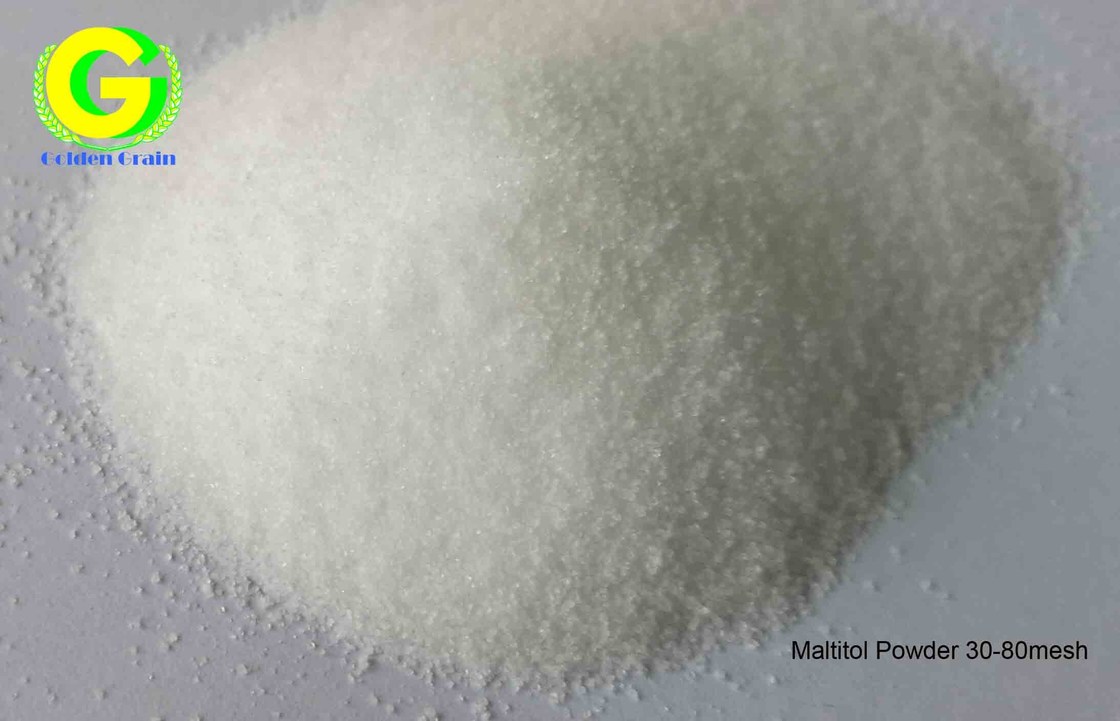
 |
| مكان المنشأ: | الصين |
| اسم العلامة التجارية: | Golden Grain |
| إصدار الشهادات: | ISO, HALAL, KOSHER, HACCP |
| رقم الموديل: | جمال-822 |
| الحد الأدنى لكمية: | 100 كجم |
|---|---|
| الأسعار: | USD1.00-USD1.65/KG FOB QINGDAO, CHINA |
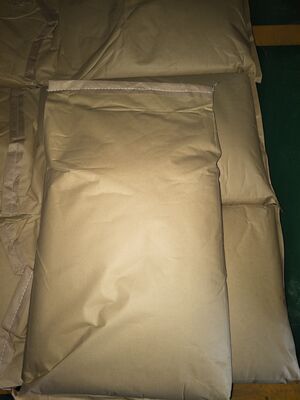
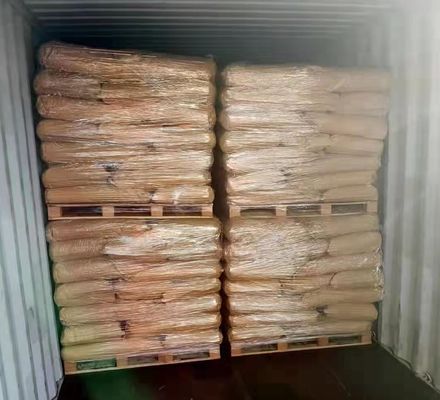
| تفاصيل التغليف: | 25 كجم/كيس مع كرافت وPE داخلي |
| وقت التسليم: | 7-10 أيام عمل |
| شروط الدفع: | L / C ، T / T ، D / P ، ويسترن يونيون ، D / A |
| القدرة على العرض: | 1000 مليون طن شهريا |
| استقرار: | مستقر في ظروف تخزين عادية | الصيغة الكيميائية: | C12H24O11 |
|---|---|---|---|
| حجم الجسيمات: | 30-80mesh | مصدر: | هدرجة المالتوز المشتق من النشا |
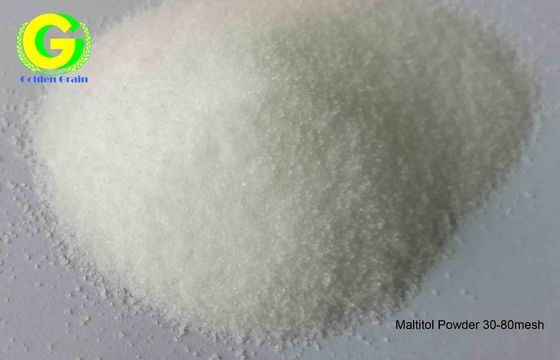
| المظهر: | بلوري أبيض أو مسحوق | مدة الصلاحية: | 24 شهرًا عند تخزينها في مكان بارد وجاف |
| التطبيقات: | الحلوى الخالية من السكر، الشوكولاتة، المخبوزات، العلكة | ذوق: | حلو، يشبه السكر |
| المضافات الغذائية: | محلي | الاستخدام: | بديل السكر في الأطعمة والمشروبات |
| مؤشر نسبة السكر في الدم: | 35 | رقم كاسنومبر: | 585-88-6 |
| أصل: | الصين | اسم المنتج: | مسحوق المالتيتول |
| أمان: | المعترف بها بشكل عام على أنها آمنة (GRAS) |
ليس مجرد مُحلي، بل مُساعد وظيفي.
مالتيتول مسحوق هو واحد من عدد قليل من الكحولات السكرية المدرجة في ثلاثة أدوية رئيسيةBP، USP، و EP- مما يجعلها مقبولة عالمياً كمادة مساعدة من الدرجة الصيدلانية. مع حلاوة قريبة من السكروز (90٪) ، تأثير تبريد ضئيل، قابلية ضغط ممتازة، وانخفاض النظرية،إنه يحل العديد من تحديات الصياغة في مكون واحد: الحلويات، التكثيف، الارتباط، والبلاستيكية بدون مسؤوليات الأسنان، السعرات الحرارية، أو السكر.

كل شحنة يمكن تتبعها إلى مستوى الشحنة COA. أدناه هو نموذج الإنتاج النموذجي لدينا من مجموعة حديثة.
المواصفات: BP، USP، EP، FCC
| البنود | المواصفات |
| الوصف | مسحوق أبيض بلوري |
| التعرف | أ، ب، ج، د |
| تحليل | 990.0% 101.0% |
| منتجات ذات صلة | ≤ 1% |
| الدوران البصري الخاص | +105.5 +108.5 |
| الحد من السكر | ≤0.1% |
| الماء | ≤0.5% |
| الكبريتات | ≤0.01% |
| المعادن الثقيلة | ≤10ppm |
| الكبريتات | ≤ 100 جزء في المئة |
| الكلوريد | ≤50ppm |
| التوصيل | ≤20 μS·سم-1 |
| الرماد الكبريت | ≤0.10% |
| الرصاص | ≤0.5ppm |
| النيكل | ≤0.5ppm |
| الزرنيخ | ≤0.5ppm |
| نقطة الذوبان | 148 درجة مئوية +151 درجة مئوية |
| مجموع البكتيريا | ≤20 قطعة/غرام |
| العفن والخميرة | ≤10 قطعة/غرام |
| الكولايكس | سلبي |
| السلمونيلا | سلبي |
| العنصر | PDE (μg/day، عن طريق الفم) | هذه المجموعة | طريقة |
| الرصاص (Pb) | 5 | 0.01 جزء في المليون | ICP-MS |
| النيكل (ني) | 200 | < 0.5 ppm | ICP-MS |
| الزرنيخ (As) | 15 | < 0.5 ppm | ICP-MS |
| المعادن الثقيلة (بالإجمال) | | < 10 ppm | USP <231> |
| المعلم | الحد الأساسي للصيدلة | هذه المجموعة |
| TAMC (العدد الكلي للميكروبات الهوائية) | ≤ 103 CFU/g | < 10 CFU/g |
| TYMC (عدد الخميرة والعفن) | ≤ 102 CFU/g | < 10 CFU/g |
| الكولاي إشريكيا | غير موجود في 1 غرام | سلبي |
| السلمونيلا | غير موجود في 10 غرام | سلبي |
| الدرجة | نطاق الشبكة | D50 النموذجي | التدفق (مؤشر كار) | الأفضل ل |
| درجة التيار المباشر | 20 ¢60 | ~ 350 ميكرومتر | 1518 (جيد) | أقراص الضغط المباشر، حبوب منع الحمل |
| درجة جيدة | 60 ¢ 100 | ~ 180 ميكرومتر | 18 22 (مناسبة) | خليطات الشرب الجاف، مسحوق كيس |
| ميكرووني | 100 ¢ 200 | ~ 75 ميكرومتر | 25 ¢ 30 (فقراء) | الحبيبات الرطبة، ملء الكبسولة |
| الوظيفة | كيف يعمل مالتيتول |
| الحلويات والملءات | مادة مساعدة واحدة تحل محل السكر + المانيتول + السدادة في العديد من الصيغ |
| الضغط المباشر | حركة الشبكة من نوع DC 20 ′′60 بحرية على المطبخات الدوارة عالية السرعة ؛ صلابة اللوحة 90 ′′130 ن عند 8 ′′12 كين |
| الشعور بالفم | حل سلس بدون ارتفاع في درجة التبريد |
| غير كاريوجينيك | لا تستطيع البكتيريا الفموية تخمير مالتيتول؛ فهو يحمي الأسنان بدلاً من تدميرها |
| الاستقرار | لا يوجد تفاعل ميلارد مع API الأمينية (على عكس اللاكتوز) ؛ لا يوجد تشكيل قاعدة شيف |
نظرة ثاقبة على الصياغة:بالنسبة لأقراص فيتامين C القابلة للمضغ ، فإن قلة هيكلية مالتيتول (~ 0. 09٪ رطوبة) تمنع الأقراص اللزجة والمتغيرة اللون المشتركة مع الصيغ القائمة على السوربتول.يتم تقليل تدهور فيتامين C عند 40 °C / 75٪ RH بنسبة 30٪ مقابلالسوربتول في دراسات الاستقرار المتسارعة.
| الوظيفة | كيف يعمل مالتيتول |
| الحلوي غير المتبلور | ميل منخفض إلى الإفراط في التشبع لا يوجد غطاء في الزجاجات ولا يوجد بلورات في الرقبة |
| تعديل اللزوجة | ملامح اللزوجة متطابقة تقريبًا مع شراب السكروز عند تركيز متساو سلوك الصب المألوف |
| استقرار الميكروبات | غير قابلة للتخمير من قبل معظم البكتيريا الفموية ؛ يقلل من الحاجة إلى حمولة المواد الحافظة |
| قناع الذوق | حلاوة السكروز بنسبة 90٪ تخفي بشكل فعال مرارة المواد المضادة للاكتئاب (إيبوبروفين ، أملاح الزنك) |
| التوافق مع الحموضة | مستقرة في نطاق الحموضة 3.0 ∼7.5 ∼ متوافقة مع API الحمضية وأنظمة العازل |
نظرة ثاقبة على الصياغة:في تعليقات المضادات الحيوية للأطفال ، يقلل شراب مالتيتول من معدل رفض "ذوق الدواء" مقابل تركيبات السوربيتول الخالية من السكر.غياب تأثير التبريد هو المفتاح الأطفال لا يربطون الشعور بالفم مع "الدواء". "
| الوظيفة | كيف يعمل مالتيتول |
| مادة التبليط | يحافظ على مرونة قشرة الكبسولة في RH منخفضة (20-30٪) دون تجفيف مفرط |
| غير مخفضة | لا يوجد ارتباط متقاطع مع الجيلاتين (على عكس السكريات المقللة التي تسبب تكوين القشرة وتأخير الذوبان) |
| الحفاظ على قوة الزهرة | الاحتفاظ بزهرة الجيلاتين > 95٪ بعد الاستقرار لمدة 24 شهرًا مقابل 75 ٪ مع قشور ملموسة بالجليسرول |
| طعم محايد | لا يوجد نقل للحلاوة إلى محتويات الكبسولة مهمة لتغليف API المرارة |
| الوظيفة | كيف يعمل مالتيتول |
| الحلويات | نفس كثافة الكأس مثل السكر لا توجد إعادة صياغة تعليمات الجرعة |
| عامل التدفق متوافق | تعمل مع سلسيلا كولويدية 0.5 ٪ ٪ لمكافحة التجميد في الأسواق عالية الرطوبة |
| حل سريع | إذابة كاملة في الماء البارد في غضون 15-30 ثانية |
| الالكتروليت مستقرة | لا يوجد تفاعل مع الملحات المعدنية في تركيبات ORS (ملحات إعادة التجفيف عن طريق الفم) |
يقدم مسحوق مالتيتول حلاوة كبيرة دون تأثير الدكستروز أو مالتوديكسترين على مستوى السكر في الدم، وهو أمر بالغ الأهمية للمنتجات التي تستهدف أسواق مرضى السكري والمرضى الذين يعانون من ما قبل السكري والصحة الأيضية.
| هدف المطالبة | مساهمة مالتيتول |
| "منخفضة السكر في الدم" | GI ≈ 35 مقابل ساكروز GI 65 |
| "بدون سكر" | وفقًا لـ FDA 21 CFR 101.60 ((ج)) ولوائح الاتحاد الأوروبي 1924/2006 |
| "صديقة للأسنان" | تلبي معايير "لا تعزز تسوس الأسنان" حسب FDA 21 CFR 101.80 |
| "خفض السعرات الحرارية" | 2.1 kcal/g مقابل السكر 4.0 kcal/g ∙ 47.5% تخفيض في السعرات الحرارية |
في الفيتامينات المطاطية القائمة على البكتين، مسحوق مالتيتول:
| الولاية القضائية | الوضع | الإشارة |
| الاتحاد الأوروبي | إضافة الغذاء المعتمدة E965؛ مادة مساعدة دوائية لكل منشورات EP | القانون الأوروبي.0 |
| الولايات المتحدة الأمريكية | تم تأكيد GRAS ؛ USP-NF مونوغرافية العناصر المساعدة ؛ FDA "صديقة للأسنان" مبررة | 21 CFR 180.25؛ USP 43-NF 38 |
| اليابان | مادة إضافية غذائية معتمدة؛ المونوغرافية JP مدرجة | مواصفات ومعايير اليابان لمضافات الأغذية |
| الكودكس أليمنتاريوس | INS 965 ؛ JECFA ADI "غير محدد" (أكثر فئات الأمان) | CAC/GL 3-1989؛ JECFA Monograph |
| الصين | مواصفات GB 28307-2012 لمادة إضافية غذائية | المعيار الوطني لسلامة الأغذية |
| ICH Q3D | تقييم مخاطر الشوائب الأساسية متاح عند الطلب | المبادئ التوجيهية ICH Q3D ((R2) |
| الحالة | المدة | اكتشاف رئيسي |
| 25 درجة مئوية / 60 ٪ RH (طويل الأجل) | 36 شهراً | جميع المعلمات ضمن المواصفات؛ لا وجود لتدهور |
| 30 درجة مئوية / 65٪ RH (متوسطة) | 24 شهراً | مستقر في 99.2~99.5%؛ الرطوبة < 0.15% |
| 40 درجة مئوية / 75 ٪ RH (تسريع) | 6 أشهر | لا تغير لونها، ولا تتكع؛ السكريات الخفيفة مستقرة عند < 0.05% |
| الاستقرار الضوئي (ICH Q1B) | لكل ICH | لا يوجد تدهور ضوئي؛ لا يوجد تغيير في الدوران البصري |
| البند | تفاصيل |
| الحزمة القياسية | 25 كجم كيس ورق الكرافت مع الغطاء الداخلي لـ PE |
| حزمة كبيرة | 500 كجم / 1000 كجم FIBC مع غطاء PE وحاجز الرطوبة |
| حزمة الأدوية | طبل ألياف بقيمة 25 كجم مع غطاء PE مزدوج (خيار مكتوب في غرفة نظيفة متاح) |
| مدة الصلاحية | 24 شهرًا تحت التخزين الموصى به (15-25 درجة مئوية، ≤ 60% RH) |
| حزمة الوثائق | COA، MSDS/SDS، ورقة المواصفات، بيان عدم وجود GMO، شهادة Halal/Kosher، ملخص بيانات الاستقرار، ICH Q3D بيان الشوائب الأساسية، تقييم مخاطر النيتروسامين (على الطلب)بيان الـ TSE/BSE |
| العامل | التأثير |
| تصنيع المختلفات الدوائية | مورّد واحد لمنتجات BP و USP و EP و FCC من نوع مالتيتول يسهل تأهيل الموردين |
| متوافق مع ICH Q3D | تحديد ملفات تعريف الشوائب العضوية الكاملة وفقًا للمبادئ التوجيهية الحالية لـ ICH ؛ لا توجد مخاوف عن عناصر الفئة 1 أو 2A |
| جاهز للتدقيق | معتمد على ISO 22000 + HACCP ؛ ترحب بمراجعات العملاء والجهات الخارجية |
| تحكم التغيير | الإخطار الرسمي لأي تغيير في عملية التصنيع أو مصدر المواد الخام أو التعبئة |
| برنامج الاستقرار | دراسات استقرار متوافقة مع ICH جارية مع بيانات متوفرة في الوقت الحقيقي |
| الدعم التنظيمي | DMF可行性讨论 ؛ وثائق كاملة لدعم تقديم ANDA / MA |
| تتبع المجموعة | من حزمة نشاطة الذرة غير المعدلة وراثياً إلى المنتج النهائي؛ القدرة الكاملة على التتبع إلى الوراء وإلى الأمام |
شركتنا
شركة Qingdao Golden Grain Chemical Co., Ltd، التي استثمرتها Golden Grain Group Limited، وهي شركة متخصصة في التصنيع والمصدر منذ عام 2000،مكرسة لتوفير المنتجات والحلول للغذاء والمشروبات، الطب، تغذية الحيوانات، العناية الشخصية والأسرة، البناء، الزراعة.
مجموعة غولدن غرين المحدودة لديها موظفين محترفين، خطوط إنتاج متقدمة ومعدات مختبر كاملة، تمر GMP، HACCP، ISO، HALAL، كوشر، BRC، GMP-Free وغيرها من الشهادات اللازمة،التي تضمن أن تكون جودتنا معيار دوليمن خلال خبراتنا منذ سنوات عديدة، نحن نصدّر منتجاتنا إلى أكثر من 60 بلداً في العالم.
"المنتجات ذات الجودة"، "الخدمة الفعالة"، مجموعة الحبوب الذهبية المحدودة نأمل في دخول تعاون تجاري جيد مع العملاء في الداخل والخارج لفترة طويلة.
س: هل مالتيتول الخاص بك مناسب كمواد مساعدة للضغط المباشر؟ج: نعم. تم تحسين درجة التيار المتردد لدينا (2060 شبكة) للضغط المباشر. مؤشر كار 1518، صلابة اللوحة 90130 ن عند 812 كيلونوتر، قابلية الهشاشة < 0.5 ٪. لا يلزم حبة رطبة.
س: ما هو وضعك من المخاطرة بالنيتروزامين؟ج: المالتيتول ليس أمين ثانوي أو ثالث؛ لا توجد مسار لتشكيل النيتروزامين. نحن نقدم بيان تقييم مخاطر النيتروزامين وفقا لتوجيهات EMA / FDA.لم يتم اكتشاف أي شوائب نيتروزامين في منتجنا.
س: هل يمكنك تقديم تقييم مخاطر الشوائب العضوية في ICH Q3D؟ج: نعم، إن عملية إنتاجنا تستخدم معدات الفولاذ المقاوم للصدأ حصراً. لا توجد محفزات معدنية.ملف تعريف الشوائب العضوية يقع ضمن حدود ICH Q3D PDE عن طريق الفم.
س: هل تحافظ على DMF؟الجواب: يمكننا مناقشة إمكانية تقديم DMF بناءً على سوقك ومسار التسجيلوملف الموقع الرئيسي متاح لتقديمك التنظيمي.
س: هل مالتيتول الخاص بك خال من المواد المشتقة من الحيوانات؟ج: نعم. مستمدة من نشويات الذرة غير المعدلة وراثياً عن طريق التحليل الهيدروليكي الإنزيمي والهيدروجينية التحفيزية. لا توجد مواد خام مصدرة من الحيوانات أو مساعدات المعالجة أو اتصال مع المعدات. بيان TSE / BSE مقدم.
س: ما هو الحد الأدنى لكمية الطلب للصف الصيدلانية؟ج: 1 مليون طن للفرائض المؤهلة ؛ 5 مليون طن للتوريد العادي. عينات مجانية (100 500 غرام) متاحة لفحص الصياغة مع الوثائق الكاملة.
بالنسبة للمكونات الصيدلانية والغذائية:اطلب ملفنا الفني الكامل بما في ذلك مجموعة COA ، بيانات استقرار ICH ، ملف تعريف الشوائب العضوية ، وبيانات الامتثال متعدد الصيدلة.الاستشارات التقنية مع علماء التطبيقات لدينا مدرجة مجانا.
مالتيتول الصيدلانية مادة مساعدة واحدة وظائف متعددة الامتثال العالمي